
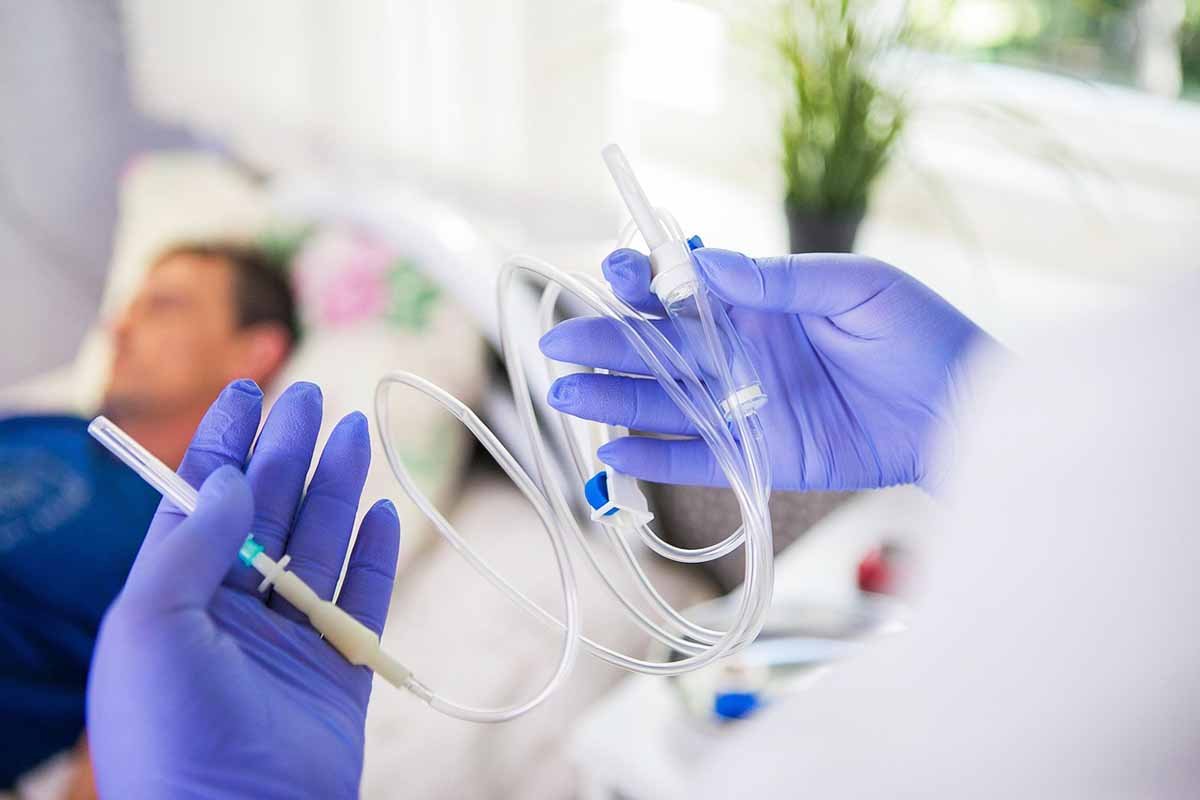
Denmark’s healthcare system is organized across three levels—national, regional, and local—ensuring citizens have access to care wherever they live.
How Denmark’s healthcare system is organized
Denmark’s healthcare system is structured across three political and administrative levels: national, regional, and local. Each level has distinct responsibilities, ensuring that citizens have access to comprehensive care.
At the national level, the state oversees regulation and supervision of health and elderly care services.
The country’s five regions manage hospital care—including emergency services and psychiatry—as well as healthcare provided by general practitioners (GPs) and private specialists.
Meanwhile, Denmark’s 98 municipalities are responsible for a range of primary health and social services, including elderly care, rehabilitation outside hospitals, home nursing, child dental and nursing services, and physiotherapy. Municipalities also co-finance regional rehabilitation services and training facilities.
Healthcare is largely free of charge
A cornerstone of the Danish welfare system is that all citizens have equal access to healthcare. Most services are funded through general taxation and are provided free of charge.
Finding care and support
Citizens can locate healthcare providers, hospitals, and pharmacies via the official website sundhed.dk.
For guidance on health insurance and access to services, the Danish Patient Safety Authority acts as a central resource. As part of the Ministry of Health, it offers general information about the healthcare system and helps patients navigate their options.
Each region also has a patient office, where advisers can provide guidance on available treatments. Both the Danish Patient Safety Authority and regional patient offices serve as National Contact Points for cross-border healthcare in Denmark.