

Denmark is taking a major step to address its growing shortage of care workers by signing its first international recruitment agreement with the Philippines. The move comes as projections show the number of Danes over 70 is set to rise by nearly 200,000 by 2035, while the country could face a shortfall of up to 24,000 social and healthcare assistants in eldercare if current trends continue.
The partnership, announced by Elder Affairs Minister Mette Kierkgaard, is part of a broader government and municipal strategy to attract more qualified staff and make better use of resources in the elderly care sector. On Tuesday, 9 December 2025, Kierkgaard traveled to the Philippines to formalize the agreement.
Minister highlights importance
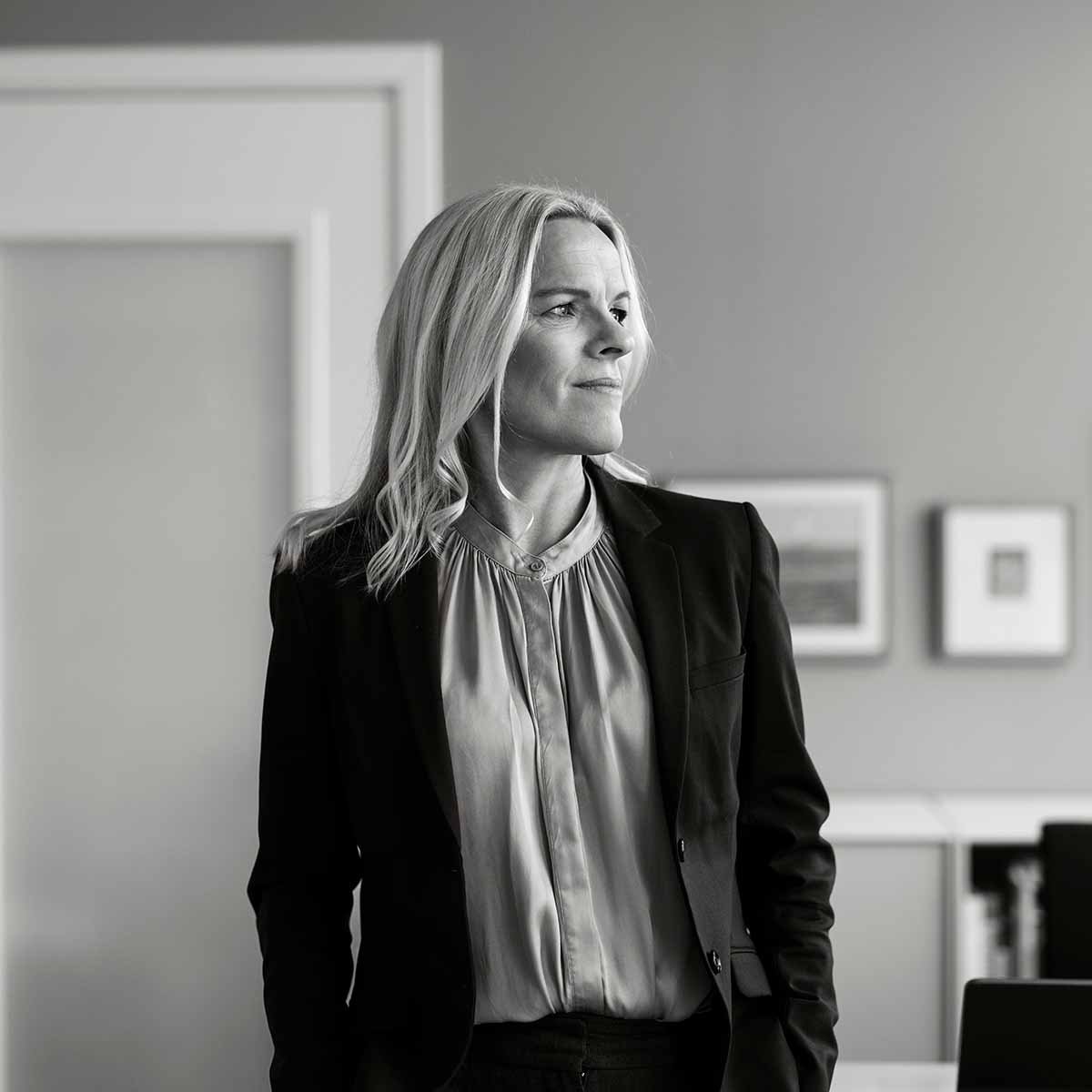
Elder Affairs Minister Mette Kierkgaard emphasized the significance of Denmark’s new recruitment partnership with the Philippines, describing it as a crucial step to address the growing shortage of care staff.
“I am pleased that we can now formalize a partnership with the Philippines. This ambitious project is an important part of our overall efforts to bring more employees into the care sector, which is facing staff shortages. We have already taken important steps with the SOSU agreement and eldercare reform, but additional initiatives are needed to meet the increasing demands in the years ahead,” Kierkgaard said.
She warned that the labor shortage presents a major challenge. “We are facing a near future with more elderly and fewer young people. We must use all tools at our disposal to ensure the quality of future eldercare. Working on multiple fronts simultaneously is essential; otherwise, the consequences will be noticeable within just a few years.”
Kierkgaard also stressed the importance of a well-structured integration process for new recruits. “It is crucial to have a model that ensures positive experiences for both the individual and the workplace. I am especially pleased that our new employees will receive professional and language training to integrate smoothly into the Danish care sector. A functioning support system is a key part of this effort.”
Long-term vision
The model is demand-driven, meaning the number of recruited candidates will depend on the specific needs of municipalities and regions. Initially, municipalities are expected to receive up to 100 candidates per year, but the potential for growth is significant as local authorities gain experience with the partnership program.
A dedicated support system is being developed in close cooperation with KL (Local Government Denmark), Danske Regioner, and participating municipalities and regions.
The program will provide newly recruited staff with language and professional training to ensure a smooth transition into the Danish care sector.